· By Angela Seto
The perfect harvest is rare
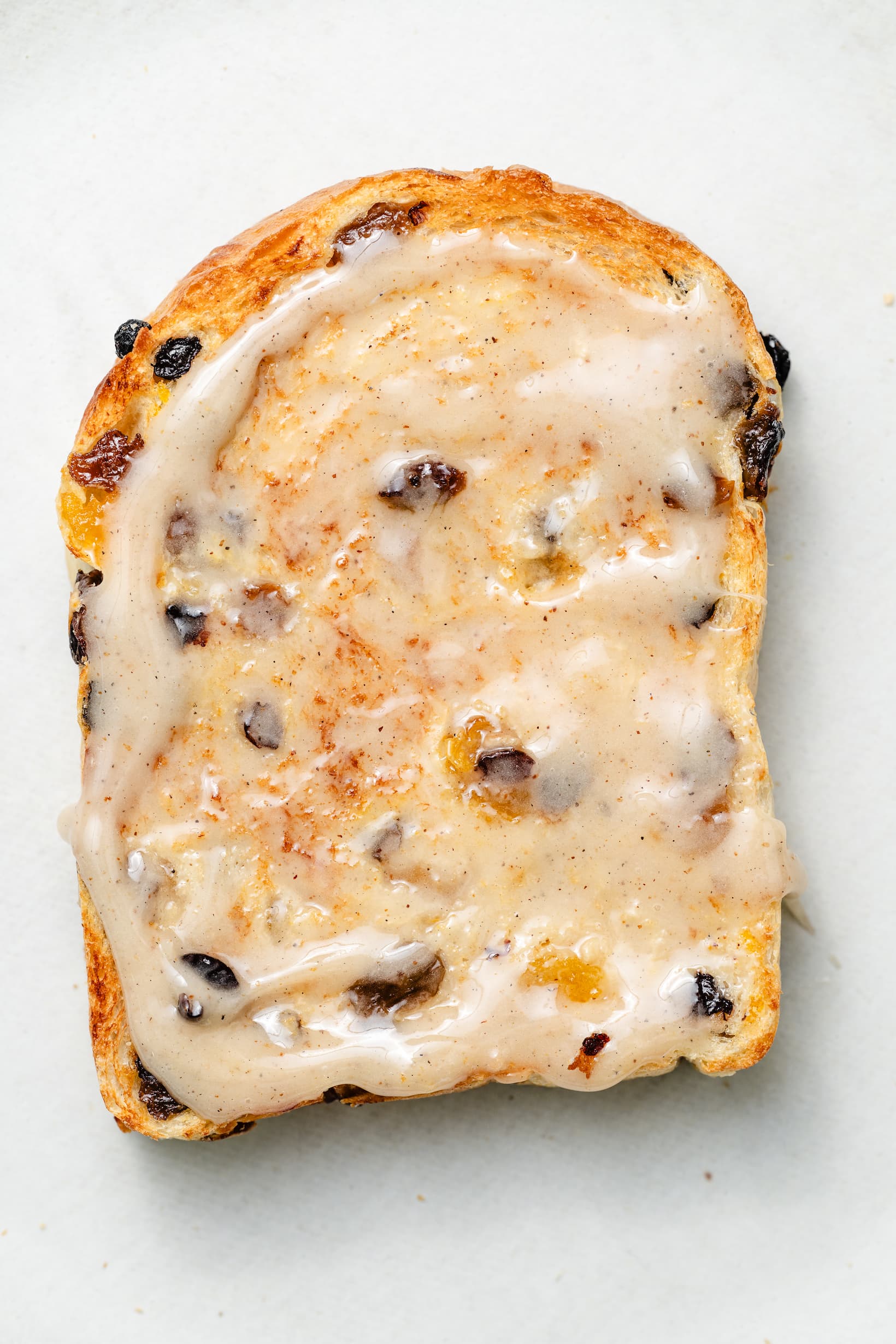
Fall means our cozy Chai Honey on raisin toast.
What's new on the farm:
As we near the end of our season in Saskatchewan, we have been thinking back on what we can learn from this year.
Every season, we also get a giant reminder of how perfect things have to be to get a perfect season. It's truly like trying to line up hundreds of variables at once, and most of them are not in your control.
The spring started promisingly for us. When Andrew did the first hive checks after winter, we had a pretty good survival rate. That meant we had a good base to start the season. From there, the spring flow on Vancouver Island was nice and prolonged, so there was plenty of food for the bees.
That helped boost the hives, which began to grow rapidly in the spring. They were stronger than we'd ever seen at that time of year! This made us really excited to bring them back to Saskatoon for the honey harvest season back home.
Then we brought the hives back at the end of May. We were still feeling optimistic about the upcoming harvest. We had gotten a ton of rain in early spring in Saskatchewan, which meant there would be plenty of moisture for the crops. More moisture for the crops means more nectar when they bloom!
Then the flow began in June. Late June had fantastic conditions for honey. It was warm, calm, and not too humid. Great for the bees to forage, and great quality nectar. But most of our bees weren't ready yet! We did have some strong hives that could take advantage and brought in a ton of honey early on. But the majority of the hives were still steadily growing, so they would be at their peak in time for the main honey flow.
So at the beginning of July, we were really excited. As the honey flow goes on, we check the hives regularly. This is to make sure we keep giving them enough honey boxes to store the incoming nectar. We don't want them to get too full, but we also don't want to add on too many boxes early on, as that can slow them down.
But when Andrew would do his regular checks, he wasn't seeing as much honey in the boxes as he expected. What was going on?
Then we realized that humidity was turning into a problem for us. As the season continued, we were getting huge rainstorms almost every day. After years of drought, we weren't used to this, and thought it was fantastic! But then we realized that the amount of rainfall we were getting was increasing the humidity so that it was super high, every day.
And when the humidity is too high, it actually slows down nectar secretion in the plants. So even if the flying conditions for the bees were perfect (no wind, calm, and hot), less nectar was actually being brought in.
And the nectar that does get secreted has higher water content, so the sugars are more diluted. So that means that the bees had to spend more time to dry it down. We had to stop harvesting to give the bees time to dry the honey. This takes a lot of effort for the bees, and it also takes the foraging bees away from their main task of collecting more nectar.
At this point we are a bit discouraged, but we still have some hope for the rest of the season. The main honey flow was yet to come. This is the peak blooming period that lasts between 10-14 days between the end of July to the beginning of August. It's during this period that we aim to have all our bees reach their peak population. There is so much nectar in the air, that you can smell it, and this is when most of our honey crop is made.
But in late July, as the main flow came in, the temperatures dropped. It was cold, rainy, and windy, which are all conditions that bees don't like. So the bees stayed inside their hives, unwilling to go out to collect the nectar.
Not only that, but crops need specific and fickle conditions to produce nectar as well. And the amount of heat they are exposed to will impact the amount of nectar they release. For instance, alfalfa, which is one of our main crop, needs a steady 25-29°C (77-84°F) for a good nectar yield. But if the temperatures swing below that (which they did for us), the volume drops.
Plus, there are other factors that can dramatically affect your honey yield. You could have the perfect nectar secretion and the perfect flying conditions. But if you get an untimely rainfall, that rain will wash away all the nectar on the flowers before the bees get a chance to collect it.
What the farmer does also impacts our honey yield. Often, the end goal for alfalfa production is not quite aligned between the farmer and the beekeeper. Alfalfa is grown for livestock feed. And to get a higher quality feed, the alfalfa is cut early in the season, when about 10% of the flowers are blooming. This is not great for the beekeeper, because if the plant is cut before the flowers can bloom, then we don't get any nectar.
As you can see, there are so many conditions that need to occur to get optimal nectar flow and foraging conditions. These need to exist at the same time that the bees are ready. So it is almost an impossible task to get everything just right.
We are ending the season with a lot less honey than we hoped for. But we do have an immense appreciation for the complexity that is involved with farming and beekeeping. These days, with all kinds of food so readily available for most people in the grocery stores, it can be easy to take for granted what it really took to get it there. But it really does take a lot of planning, labour, and especially luck to get it from the field to people's homes.
Honey Roasted Nuts
Roasted nuts are such an addictive snack, and when you put together a sweet and salty combination with this honey glaze, I'm sold.
You can easily make a big batch of these at home to keep as a quick snack, or serve to guests at a tea or before a big meal!
Check out the recipe at Sue Bee Homemaker.